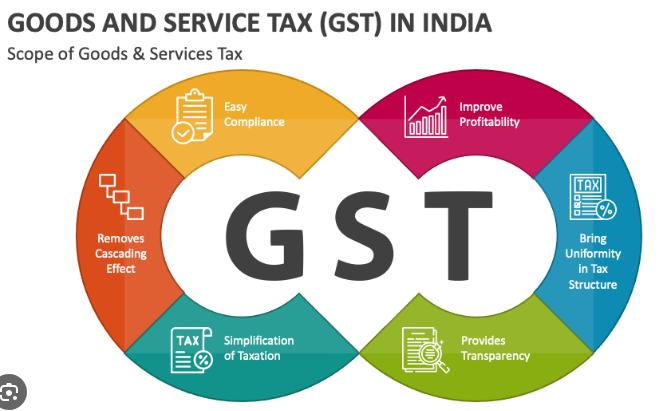
Starting a new business in India is an exciting journey, but navigating the tax landscape can sometimes feel overwhelming. One of the most critical steps for any growing business is understanding and registering for the Goods and Services Tax (GST). In this comprehensive guide, we will break down everything you need to know about GST registration.
What is GST? Introduced on July 1, 2017, the Goods and Services Tax (GST) is a comprehensive, multi-stage, destination-based tax that is levied on every value addition. It has largely replaced many indirect taxes in India such as the excise duty, VAT, and services tax, making the taxation process much more streamlined.
Who Needs to Register for GST? Not every small business is required to register for GST immediately. However, you must register if you fall into any of the following categories:
-
Turnover Limit: If your aggregate turnover in a financial year exceeds Rs. 40 Lakhs (for goods) or Rs. 20 Lakhs (for services). Note: For special category states, the limit is Rs. 20 Lakhs and Rs. 10 Lakhs respectively.
-
Inter-state Supply: If you are supplying goods from one state to another, registration is mandatory regardless of your turnover.
-
E-commerce Operators: Individuals who supply goods or services through an e-commerce platform.
-
Casual Taxable Persons: Individuals who occasionally supply goods and services and have no fixed place of business.
Benefits of GST Registration Even if your turnover is below the threshold limit, opting for voluntary GST registration comes with several advantages:
-
Legally Recognized Business: You get legal recognition as a supplier of goods or services.
-
Input Tax Credit (ITC): You can claim credit for the taxes paid on your purchases, improving your profit margins.
-
Better Competitive Edge: Many large corporations and B2B clients prefer dealing with GST-registered vendors.
-
Expand Nationally: With a GST number, you can seamlessly sell your products across state borders and on e-commerce platforms like Amazon and Flipkart.
Documents Required for Registration Keep these documents handy before starting your application process:
-
PAN Card of the Business or Applicant
-
Aadhaar Card of Promoters/Partners/Directors
-
Proof of Business Registration or Incorporation Certificate
-
Identity and Address Proof of Promoters/Directors with Photographs
-
Address proof of the place of business (Utility bill, Rent agreement, etc.)
-
Bank Account statement or canceled cheque
-
Digital Signature (Class 2) for authorized signatory
How Taxjit Can Help The GST registration process involves navigating the government portal, submitting precise documentation, and dealing with potential official queries. A small mistake can lead to delays or rejection of your application.
At Taxjit, our team of seasoned professionals ensures a hassle-free GST registration process for you. From document verification to final certificate generation, we handle the compliance so you can focus on what matters most—growing your business!
Need help with your GST Registration or Monthly Filings? Get in touch with us today for a free consultation!
Share This Article:
Suggested Blogs

how to file tds return (GSTR-7) in gst
Sep 29, 2026
how to file gstr-3b
Sep 29, 2026
how to file gstr-1
Sep 29, 2026
Comments 1
nice
Leave a Reply